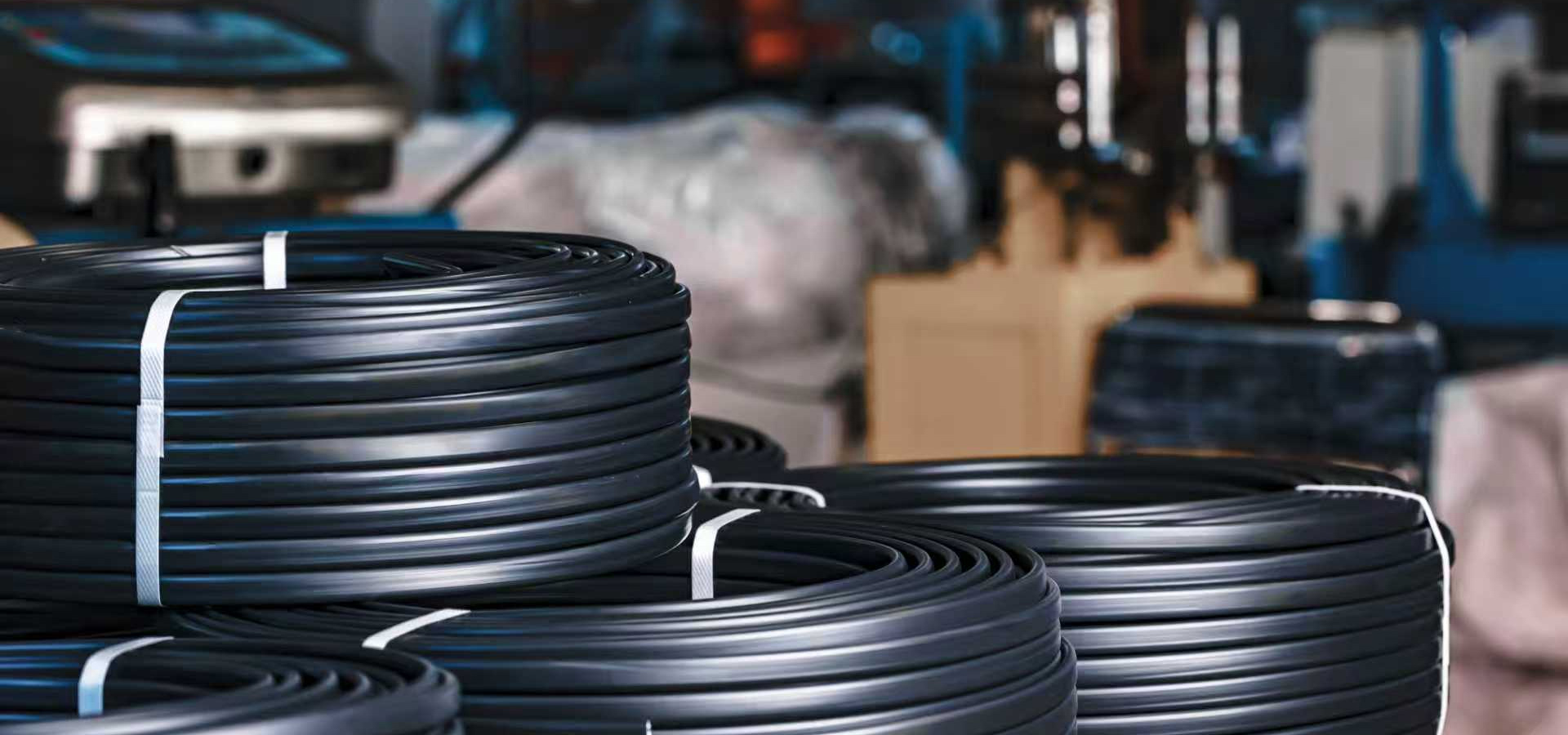
Conducting power・enduring with quality
Quality builds our brand, safety protects every home – your trusted cable guardian
Quality builds our brand, safety protects every home – your trusted cable guardian
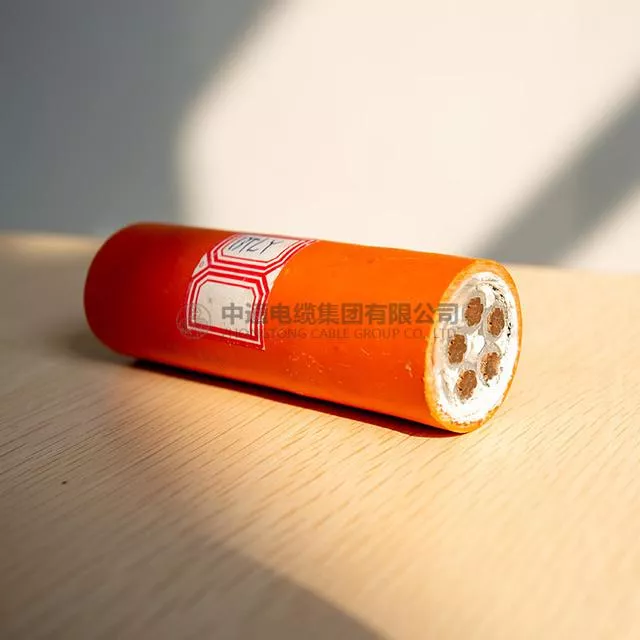
Product type:Mineral insulated cable
Product brand:Zhongtong brand
Product Introduction:The company has developed new types of BTLY, BTLYQ, BTLV, and BTLVQ aluminum sheathed continuous extruded mineral insulated cables based on traditional BTTZ mineral insulated cables.
The company has developed new types of BTLY, BTLYQ, BTLV, and BTLVQ aluminum sheathed continuous extruded mineral insulated cables based on traditional BTTZ mineral insulated cables
1. Product Structure:
① The conductor is a circular copper stranded wire (relatively softer than the solid copper rod of BTTZ)
② The insulation layer is made of pure gold mica tape (no longer composed of extruded insulation material to eliminate the generation of carbon particles and improve electrical stability)
③ The metal sleeve is a continuous extruded aluminum metal tube (greatly simplifying the copper tube drawing process of BTT),
④ Isolation sleeve (cross-linked insulation)
⑤ Fire resistant layer (covered with inorganic substances such as Mg (OH) or AL (OH) that do not melt or ignite under flame and can expand and prevent fire),
⑥ Outer sheath plastic (polyolefin or polyvinyl chloride).
2. Its features:
① The fire resistance standard can pass the three assessments of BS6387: no breakdown under a flame of 950 ℃ for 3 hours, 15 minutes of water spray after being immersed in water at 650 ℃ for 30 minutes (direct immersion is also acceptable), and 15 minutes of impact vibration under a flame of 950 ℃ without damage, thus fully meeting the assessment standards of BTTZ in terms of fire resistance performance.
② This product can produce 1-37 cores in sizes ranging from 1.5 to 6 square meters, 1-5 cores in sizes ranging from 10 to 240 square meters, and single cores in sizes ranging from 300 to 630 square meters. The length can be customized according to user needs, and the entire piece can be delivered in a seamless whole plate.
③ When laying, there is no need to separately thread pipes, and it has the same waterproof and impact resistant functions as BTTZ.
④ It has good anti rodent, anti ant, and anti radiation functions, which can ensure the stability, long service life, and durability of the cable.
⑤ Low working temperature, low line loss, strong overload resistance, long service life, high safety, especially suitable for applications in projects with environmental protection requirements.
⑥ Explosion proof (highly compacted insulation materials in cables and cable terminals installed with specialized sealing sleeves can prevent steam, gas, and flames from entering electrical equipment connected to cables, and are therefore used in places with explosion hazards and for connecting various explosion-proof equipment and devices).
⑦ The metal sheath of BTT (L) series mineral insulated cables has high corrosion resistance and does not require additional protective measures for most devices; Even in places where the metal sheath of the cable is susceptible to chemical corrosion or severe industrial pollution, it is still safe because the outermost layer of the cable is protected by a plastic outer sheath.
⑧ High mechanical strength (BTT (L) series mineral insulated cables are sturdy and durable, and can still work normally even when the cable diameter is deformed by one-third. Even if subjected to severe mechanical damage, their electrical performance will not be damaged).
3. Using aluminum as the main material for metal tube extrusion instead of copper tube drawing not only simplifies the process and improves efficiency, but also significantly reduces product costs (aluminum is only 1/10 of the comprehensive cost of copper). The reason why aluminum tubes can replace copper tubes and do not melt under high temperature flames is due to the expansion refractory layer extruded on the outside of the aluminum tube: under the invasion of flames, the expansion layer foams and solidifies, forming a thick barrier to block the direct spray of flames on the aluminum tube. Not only is the integrity of the aluminum tube preserved, but the heating temperature of the mica tape is also reduced to below 600 ℃, undoubtedly improving the stability of the mica tape insulation (the insulation resistance of the mica tape increases with decreasing temperature).
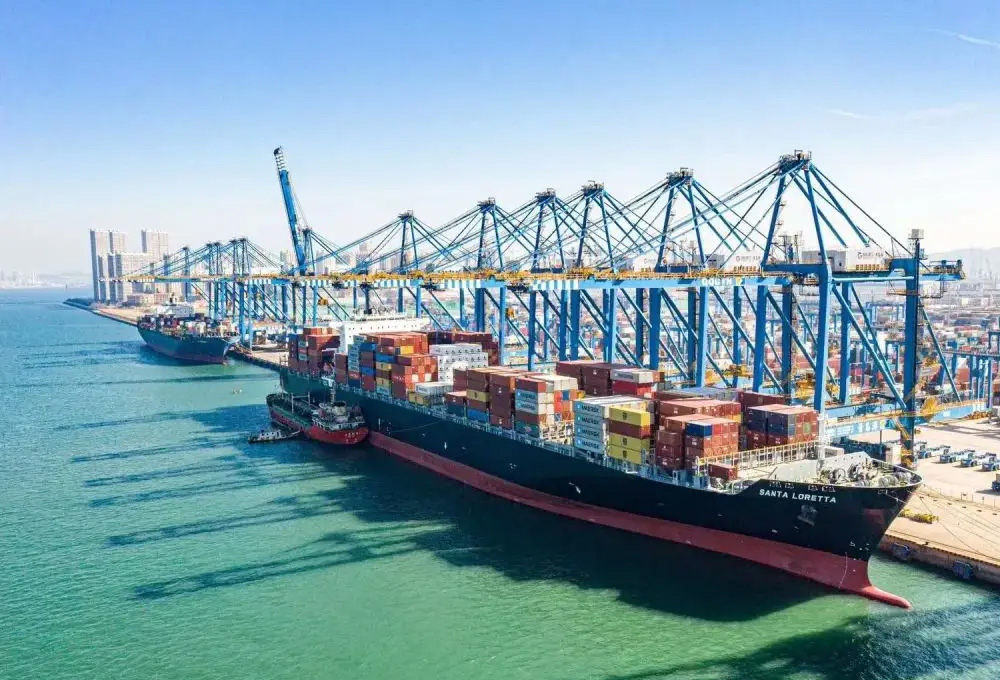
It can meet the power transmission needs of scenarios such as ship power supply, port loading and unloading, terminal power distribution, and offshore operations, featuring weather resistance, reliability, safety, and stability.
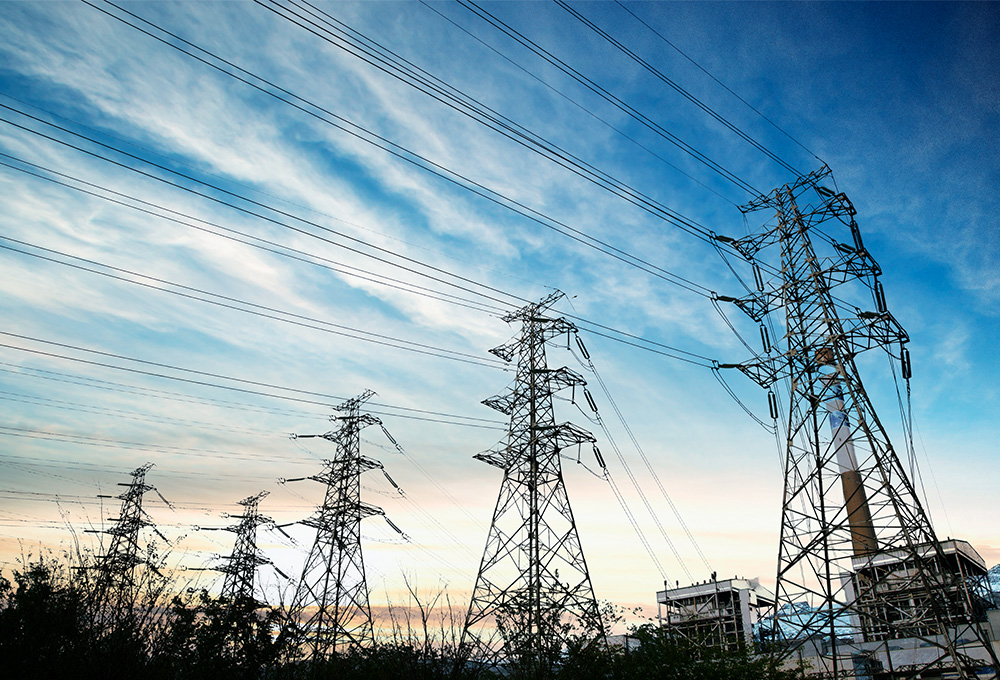
It can meet the power transmission and safety assurance needs of scenarios such as power grid transmission, distribution systems, industrial power supply, and renewable energy generation.

It can meet the power transmission and distribution needs of scenarios such as commercial buildings, residential buildings, municipal engineering, and rail transit support buildings.
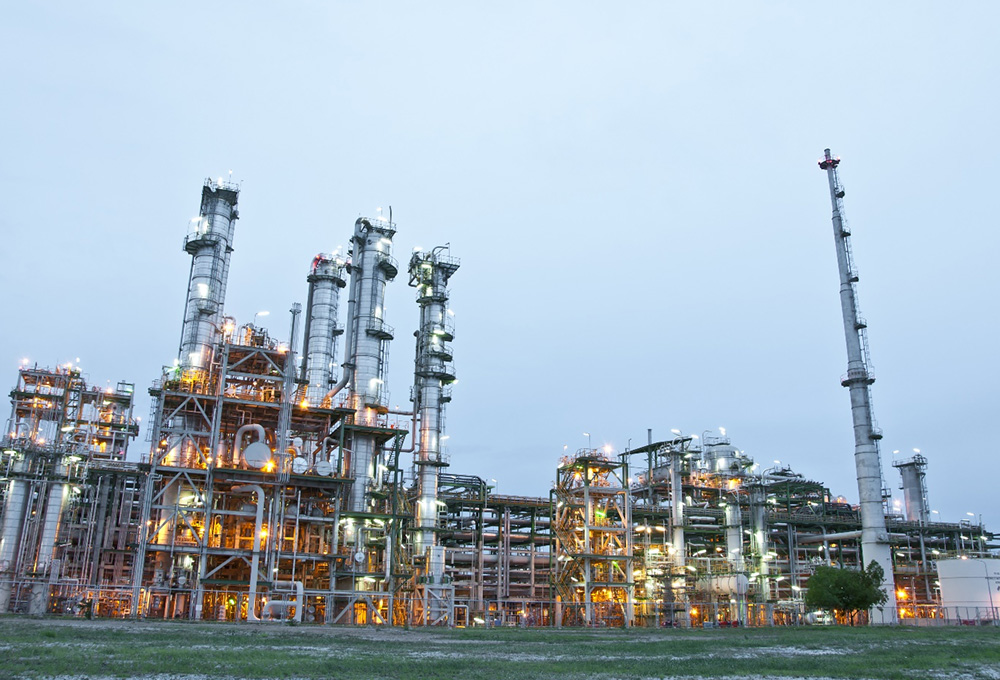
It can meet the power transmission needs of scenarios such as ship power supply, port loading and unloading, terminal power distribution, and offshore operations, featuring weather resistance, reliability, safety, and stability.
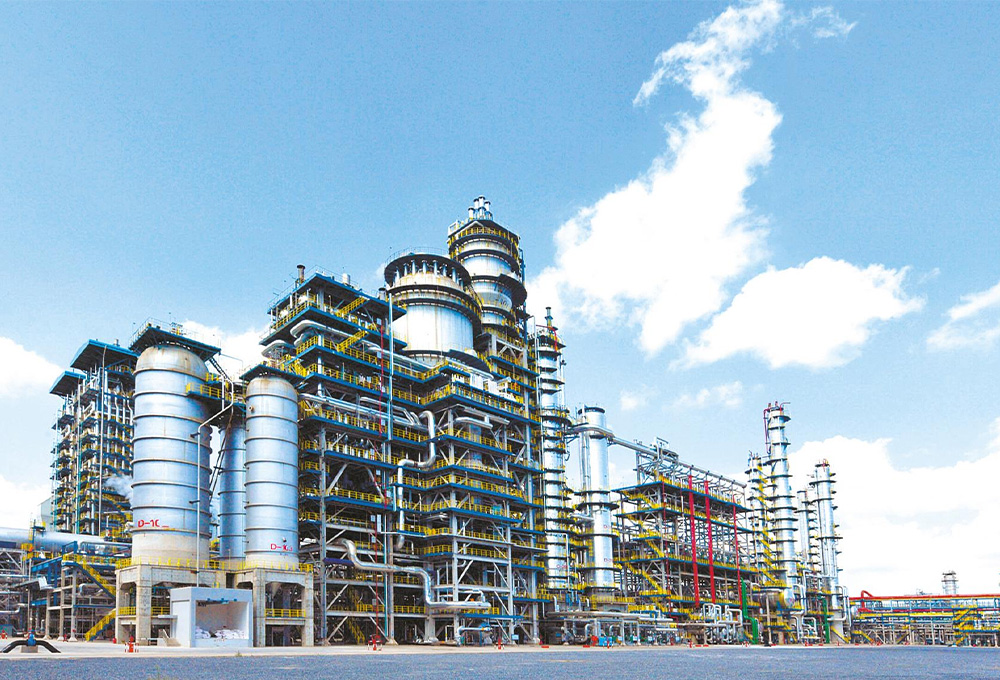
It can meet the power transmission requirements for various scenarios such as ship power supply, port handling, dock power distribution, and offshore operations, and has the characteristics of weather resistance, reliability, safety and stability.
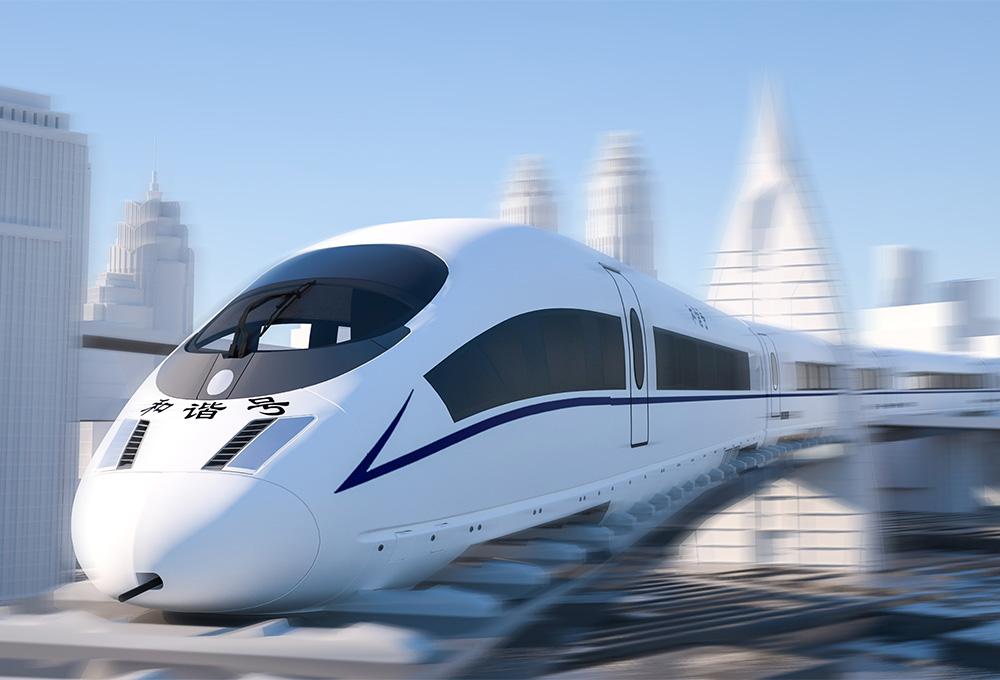
It can meet the power transmission requirements for various scenarios such as ship power supply, port handling, dock power distribution, and offshore operations. It features weather resistance, reliability, safety and stability.

 二维码
二维码
 二维码
二维码


 EN
EN 
 CN
CN